Work and life throughout COVID-19 has been a wild roller coaster. Last year, life still seemed to be on hold for the most part, and some aspects are still not back to normal today.
While we all fight to overcome COVID-19 and its long-term effects on work and life, one thing has unquestionably changed for the better: the corporate office.
XA Talent has conducted a small study of it’s talent pool that had 1,700 American respondents to understand better what has changed in office and remote work.
The information we obtained appears to be incredibly beneficial for recruiters, HR professionals, and their employers.
Remote Working as a New Way of Life
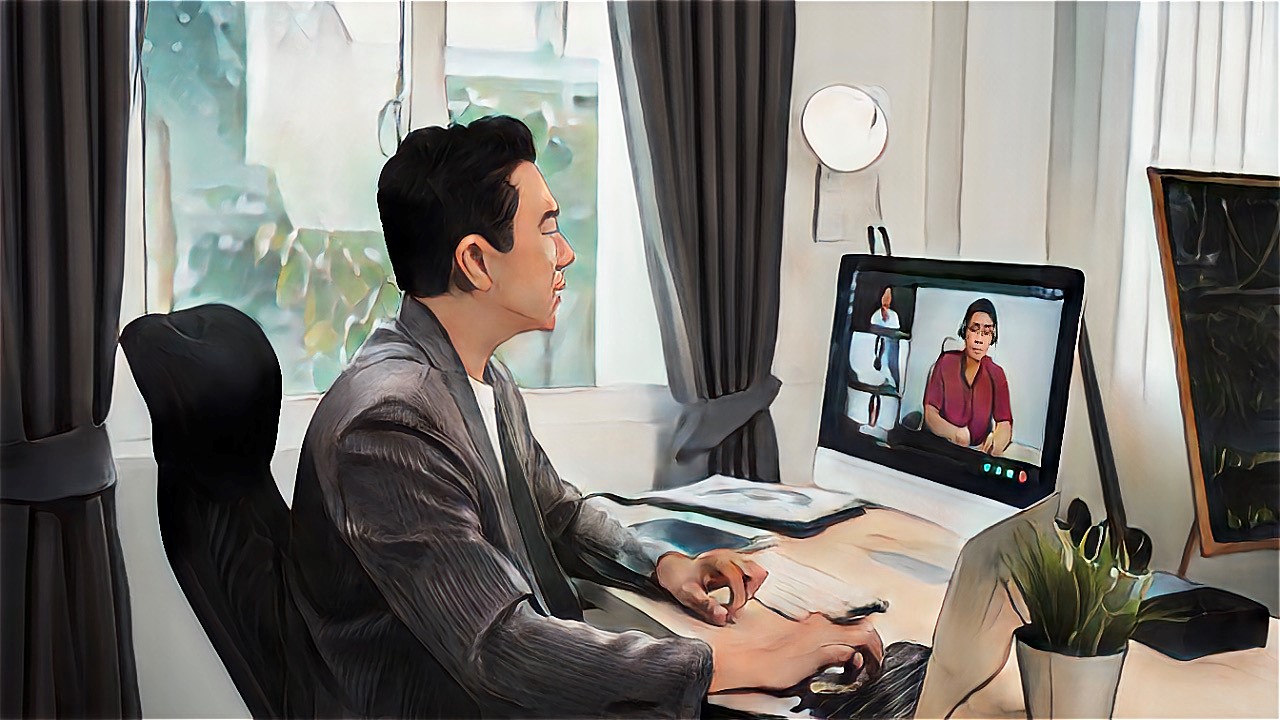
According to the survey conducted by XA Talent, 84% of Americans would choose remote work over an in-office job. This was a significant change from the past, before COVID-19, when most people had never worked remotely for even a single day.
Today, people can perform efficiently from any location, so, understandably, they’d prefer to skip the typical commute, office clothing, and a few other challenges that make working in the office less attractive.
What’s interesting is that 67% of poll respondents claimed they would take a pay loss to continue working remotely!
It’s evident that individuals want to keep working from home, and they’re willing to pay for it.
Accommodating With the New Normal
Employees may prefer remote work, but it does not guarantee that their bosses agree. Should they, though? Well, the pandemic has taught us times of change require a change in mindsets. Therefore, it is important to be open for a conversation on whether your employees are better off working remotely or they need to sit in the office full-time.
According to the same survey, 72% of Americans feel that organizations that do not provide remote work will struggle to attract applicants. Many believe that those companies will have to raise salaries to entice people to work in the office.
For recruiting purposes, this is critical information. Employers must explore a hybrid approach or even a remote-first setup to attract top personnel. The hybrid concept of working is gaining more and more head nods from top corporate professionals and is likely to become the new style of working.
While recruiting for remote positions can sometimes be challenging due to the lack of face-to-face interaction, recruiting professionals are becoming more adept at this process with the increased use of technology. And it’s not without reason. Companies that offer remote work provide many more related benefits, and their employees appreciate it. Employers that provide remote work options are inadvertently promising independence, autonomy, and trust.
Before the pandemic, increased adoption of remote or hybrid work by employers was an increasing trend for several years. The Pandemic has forced the world to adapt essentially overnight, or at least within weeks.
By adopting a remote work policy, businesses are gaining an advantage in hiring the best personnel in the country.
Happiness as the Modern Quotient for Success
While offering remote options can greatly support recruitment, we must not forget about the current employees already working for the company. With the awareness around mental health during the pandemic, people have become more concerned about finding happiness especially when it comes to a work-life balance. Remote work flexibility has become a major ingredient of talent acquisition success.
Further, millennials are much more likely to quit their jobs if they are not content. Gone are the days when people were concerned about job security. The modern generation looks for peace of mind while working and not a nagging boss. As a result, they are less likely to stick with a company just for the sake of a stable source of income.
According to the XA Talent employment survey, 76% of Americans believe that they would want sustained remote work flexibility from their current employer to stay at their present company. This is a result of both mental health and physical wellness concerns that most likely apply across the globe, courtesy of the life-altering COVID-19 pandemic.
This is a significant change for HR and direct management who aren’t used to monitoring remote employee culture and working situations. However, the people have spoken: remote options are critical for retaining employees and keeping them satisfied at work.
Other Key Findings
In addition to the facts mentioned above, XA Talent’s poll revealed the following:
- A large majority of Americans (84%) say that their coworkers and other employees across the country prefer to work remotely rather than at the company office.
- 67% of Americans would be ready to forego a raise to continue working from home. Some employees even stated that they would take up to a 50% salary reduction to avoid returning to work.
- If they were forced to return to the office full-time, 22% of Americans would either resign or start looking for remote work right away.
- To keep their existing job, 76% of Americans require a sustained remote working arrangement.
- 45% of Americans would relocate to a new city solely to work in a hybrid work environment.
- 71% of Americans would forego advanced benefit packages like health insurance, paid time off, retirement funds, and more to keep remote working status.
- Before returning to their company’s office, 96% of Americans want to see COVID-19 safety practices in place.
Conclusion
The pandemic has made us realize the value of work-life balance more than ever. As a result, more people are inclined to have a remote job or work as freelancers to have more time for themselves, their families, and their hobbies.
The way people work has changed drastically over the past two years, and flexibility has become a new expectation from any employer. As an HR professional, incorporating remote working and flexible work options has become of utmost importance for attracting and retaining employees and keeping them happy.
For employers and HR professionals who are not used to managing employees virtually for long periods, learning to do so is the key to successfully managing operations. This is because the demand for remote working culture, employee flexibility, and the advancements in remote management technology at the workplace is here to stay.