

Recruitment marketing, a strategic fusion of marketing and HR practices, has emerged as a crucial tool for businesses striving to secure exceptional talent. It encompasses a range of activities aimed at attracting, engaging, converting, and retaining potential candidates, ultimately transforming them into invaluable hires. Despite investing in recruitment marketing initiatives, many small to medium-sized businesses continue to struggle to achieve their desired outcomes.
If your organization is struggling to fill job openings, it’s time to reevaluate your recruitment marketing strategy. Gone are the days when candidates would blindly apply for any position. Today, they are more discerning than ever, seeking compelling employer value propositions (EVPs) that differentiate companies from the competition. To entice the best candidates, you must sell your company just like you would sell any other product or service.
Over the past two decades, we have engaged with hundreds of companies, including startups, small to medium-sized organizations, and large enterprises. Each of these companies has encountered unique sets of challenges when it comes to recruitment marketing. We have observed that most of the companies we have interacted with possess a high level of awareness about their underperforming recruitment marketing efforts. Consequently, they have sought our assistance in building effective strategies, refining their approach, and executing impactful campaigns. Some companies have even expressed interest in leveraging our in-house marketing system and have signed exclusive contracts with us for direct placements.
Drawing upon our vast experience and the wealth of data collected, we want to share our insights and findings with you. For instance, we recently collaborated with a company that employs around 400 staff members and relies on its HR team to manage recruitment marketing efforts. Through a close examination of their strategies and execution, we discovered several missed opportunities. This organization specializes in the Aerospace industry and has been struggling to find key talent for over a year. We will focus on their challenges and explain how we assisted them in resolving their recruitment marketing issues. Our hope is that by sharing this knowledge, your organization can overcome similar obstacles and achieve success in attracting top-tier candidates
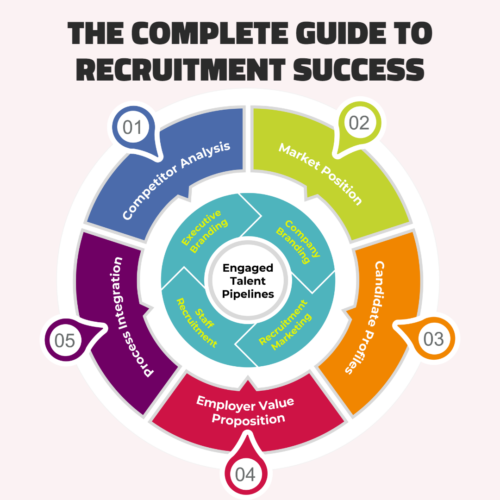
1. Recruitment Marketing mistakes: Lack of Targeted Approach
A. Importance of Understanding Your Target Audience
Just as identifying and building avatars of potential clients or partners is crucial, understanding the individuals you aim to attract is paramount. While small businesses have the advantage of a smaller team, allowing the CEO or managers to easily adopt a targeted approach, SMBs and large enterprises face more complex challenges. However, with careful planning and a deep understanding of your organization’s expansion and growth, you can involve your managers and develop a structured approach to build their team’s succession plan. When HR and management identify the specific skills they lack, you can then create a data-driven profile of the ideal talent you wish to attract.
B. Real-Life Example: Aerospace Company’s Generic Job Description
Generic job descriptions are far too common, and we’ve observed their impact through AB testing. While compensation and benefits are important, what truly resonates with candidates—particularly Gen Y and Gen Z—is their future and the organization’s purpose. They want to know if the company prioritizes growth opportunities and if it actively makes a positive impact in the world. Additionally, they consider the team structure and the leadership within the organization. In the following section, we will delve deeper into these aspects.
C. Statistics on the Impact of Targeted Messaging
Effective targeting and personalized messaging can significantly impact your recruitment marketing outcomes. Companies that tailor their recruitment messages to specific candidate segments experience a 32% increase in candidate response rates and a 29% reduction in time-to-fill positions. Moreover, targeted messaging increases the likelihood of attracting candidates with the desired skills by 36%. Investing time and effort into understanding your ideal candidates and tailoring your approach accordingly can significantly enhance the effectiveness of your recruitment marketing efforts.
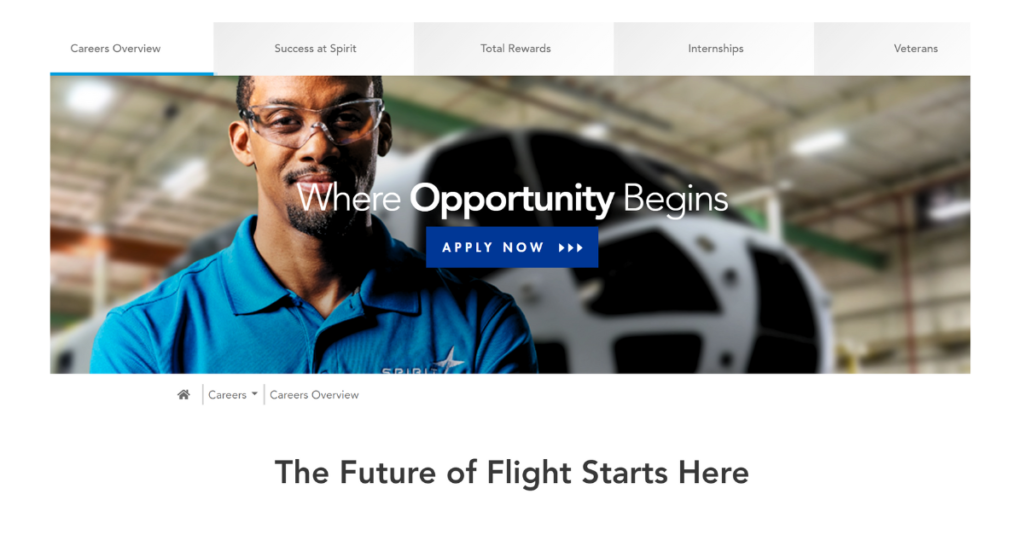
2. Recruitment Marketing mistakes: Ineffective Employer Branding
Building a compelling employer brand is essential to attract potential talent. Without a strong employer brand, candidates may not feel motivated to apply for the roles you’re actively recruiting for. However, developing an employer brand doesn’t have to be daunting or complex. By establishing your brand voice, values, vision, mission, and company culture and showcasing your processes and policies, you can make talent acquisition significantly easier. When these elements are in place, recruiters can market positions with confidence, and the recruitment marketing team can create compelling storytelling content to improve conversion rates.
In our experience, some of our clients prefer utilizing Bamboo HR, while others are happy to switch to our favorite system, Talentlyft. Both platforms work effectively, and the choice depends on your organization’s specific needs. With Talentlyft, we can create an on-brand career page and seamlessly integrate Talentlyft as your Applicant Tracking System (ATS), providing you with sleek software that is easy to use.
A. The Role of Employer Branding in Recruitment Marketing
As mentioned earlier, employer branding takes precedence over recruitment marketing. Even if your employer brand is well-crafted, easy to navigate, and showcases your company culture, vision, mission, notable projects, and success stories, you may still struggle to attract top talent if your recruitment marketing strategies are not finely tuned. This could be due to various factors, such as lacking comprehensive social media strategies, not effectively leveraging alternative methods to connect with your desired talent pool, or failing to drive them into your talent pipelines.
B. Real-Life Example: The Success Factor of an Aerospace Company’s Employer Brand
Recall the Aerospace company we mentioned previously. Before deciding to collaborate with us, we commended them on having one of the best employer brands we had ever worked with. Their branding encompassed more than the elements mentioned earlier, yet they still faced challenges in attracting the right talent to their pipelines. When asked about their recruitment and recruitment marketing strategies, they mentioned heavy investments in job boards, social media presence, and multiple job ads on LinkedIn. While staying active on social media may seem imperative, without the right strategies, conversion rates can remain low. We will dive deeper into the methods shortly in the following sections.
C. Statistics on the Influence of Employer Branding on Candidate Decisions
Research consistently highlights the significant impact of employer branding on candidate decisions. 75% of job seekers consider an employer’s brand before applying for a position. Furthermore, companies with strong employer brands experience a 43% decrease in cost per hire and see a 28% increase in employee retention. These statistics emphasize the pivotal role that a well-crafted employer brand plays in attracting and retaining top talent.
3. Recruitment Marketing mistakes: Failure to Leverage Digital Channels
Take the Aerospace company we previously mentioned, for instance. They utilize LinkedIn, Facebook, Twitter, and YouTube to share content. While these platforms are valuable, they lack a cohesive strategy, compelling storytelling formats, and effective campaigns to draw talent into their pipelines. It’s important to note that a talent pipeline is more than just an Applicant Tracking System (ATS)—it encompasses a comprehensive approach to nurturing and engaging potential candidates. Additionally, the Aerospace company heavily invested in job boards, which, based on our 20 years of experience, often do not yield a significant return on investment. Having tested various methods and keeping up with emerging platforms, we will now discuss how to utilize digital channels for success effectively.
A. The Rise of Digital Platforms in Recruitment Marketing
Let’s dive into a complete strategy we developed for the Aerospace company to attract talent successfully. Within just three months of implementation, we witnessed significant growth. It’s worth noting that our recruiters invested time in sourcing and crafting personalized messages to engage talent and bring them into our pipelines.
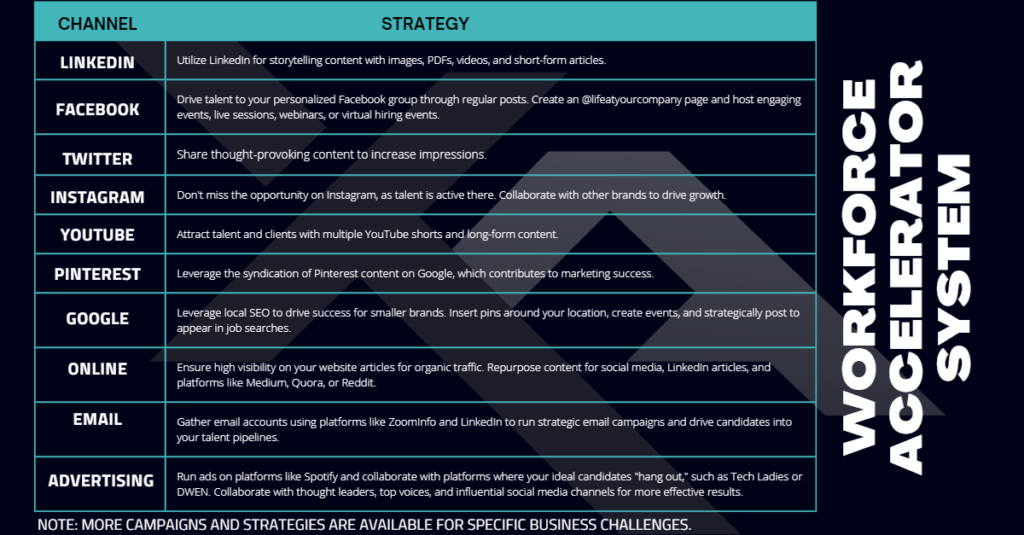
B. Real-Life Example: Leveraging Personal Branding
One of the most overlooked opportunities is the failure to leverage the personal brands of key teams and leaders to attract talent. Personal branding is not merely about vanity; it brings immense value when individuals actively share relevant content. It makes them more discoverable by talent, clients, and partners. Depending on the size and type of business, we typically utilize platforms such as LinkedIn, website articles, Medium, Twitter, and Quora to drive social media engagement and organic traffic to the company.
C. Statistics on the Effectiveness of Digital Channels in Attracting Candidates
Statistics reveal the significant impact of leveraging digital channels for recruitment marketing. 94% of candidates use LinkedIn to explore job opportunities, while 79% of job seekers use social media in their job search. Moreover, companies that invest in employer branding through digital channels experience a 50% increase in the quality of candidates and a 28% decrease in overall hiring costs. These statistics highlight the immense potential digital platforms hold in attracting and engaging candidates effectively.
Final Thoughts:
Ineffective utilization of digital platforms and the “post and pray” approach are the primary reasons why recruitment marketing efforts fail. Simply posting job openings and hoping for the best is not a reliable strategy. This often leads companies to become disinterested in conducting recruitment marketing altogether and instead opt for immediate hires. However, we have seen that successful recruitment marketing significantly increases the chances of being discovered by top talent.
Furthermore, an increasing number of business leaders are recognizing the importance of personal branding for themselves and their key teams. They understand that personal branding not only attracts clients and partners but also makes it easier to attract talent. When business leaders invest in their personal brand, it becomes less challenging to draw in talent, as their visibility and reputation link back to the company. It’s important to analyze the metrics and compare companies with and without personal branding. The impact is evident, and those who future-proof their organizations by developing a strong brand presence across their digital footprint benefit even if their key team members move on to new opportunities. These team members often become brand advocates, further enhancing the company’s reputation.
B. Importance of Implementing Targeted, Engaging, and Data-Driven Strategies
To improve recruitment marketing efforts, it is crucial to implement targeted, engaging, and data-driven strategies. Start by refining the avatars of your target candidates to understand their needs and preferences precisely. Then, identify the most effective platforms to invest your time and efforts. Build talent pipelines through your dedicated Facebook group like “@lifeatyourcompany” to foster conversations and engagement. Invest in personal branding to create a lasting impact. Reduce spending on ineffective job boards and social media advertising and instead focus on strategic approaches that yield measurable results. Continuously monitor and analyze metrics to identify what strategies are working and refine your approach accordingly.
C. Final Thoughts and Recommendations for Improving Recruitment Marketing Efforts
To succeed in recruitment marketing, fine-tune your target candidate avatars, identify the right platforms, build talent pipelines, and invest in personal branding; you can greatly enhance your recruitment marketing efforts. Avoid the “post and pray” mentality and embrace a proactive and strategic approach. Leverage data to guide your decision-making and continually optimize your strategies. With these tactics in place, we are confident that you will achieve success in attracting top talent and building an engaged and thriving team. For more comprehensive information, visit myxatalent.com.
Remember, recruitment marketing is a continuous process that requires ongoing refinement. Stay agile, adapt to changes, and remain committed to engaging with potential candidates. By doing so, you will establish your organization as an attractive employer and position yourself for long-term success in talent acquisition.